4th Winter School on Operating Systems (WSOS 2026)
System Software Research in Europe – open, flexible, dependable, and built to last
Date and Time
16.03.2026 - 20.03.2026
Venue
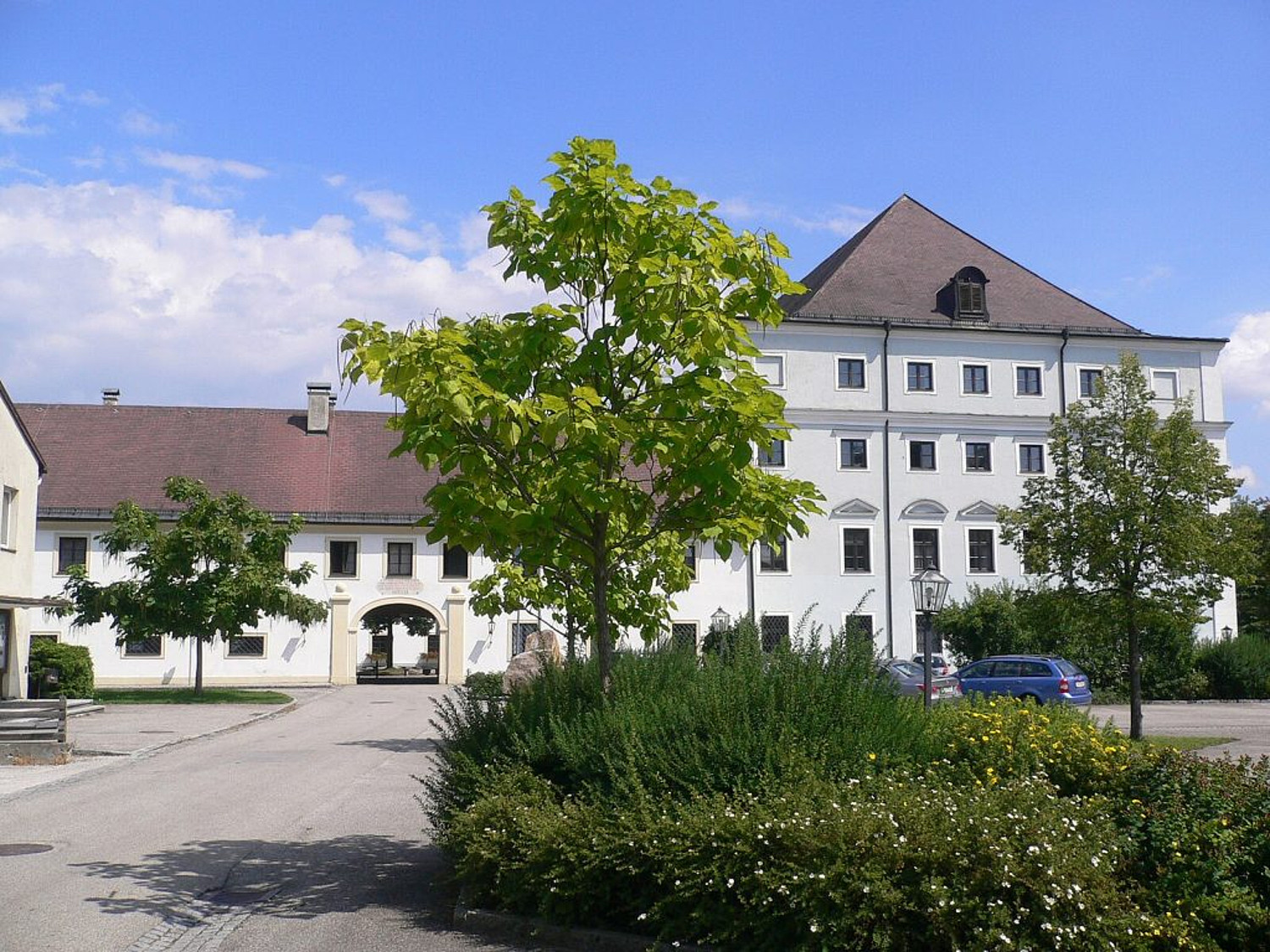
Schloss Zell an der Pram
Schlossstraße 1
A-4755 Zell an der Pram
Austria
Rooms from 61-84€ per night
System Software Research in Europe – open, flexible, dependable, and built to last
16–20 March 2026 · Schloss Zell an der Pram, Austria
Why this theme—and why in Europe?
Modern system software must evolve rapidly yet serve for decades. WSOS ’26 explores how Europe can build and rely on its own systems stacks: not through slogans, but through engineering practices that make software open, adaptable, robust, and maintainable.
A technical agenda for European self-sufficiency
What we as a community can do now (and what’s already underway):
- End-to-end open stacks: kernel, runtime, toolchain, and packaging that build reproducibly; practical paths to replace opaque components (firmware, boot loaders, drivers) with open, verifiable alternatives.
- Upstream-first engineering: strategies for getting features into mainline kernels and core toolchains; minimizing long-term forks; governance and maintainer workflows.
- Interoperable interfaces that last: stable ABIs/APIs, conformance tests, and compatibility layers that survive hardware churn and vendor changes.
- Performance portability across architectures: techniques for multi-ISA support (x86-64, ARM, RISC-V, accelerators) and disaggregated setups (e.g., CXL-class memory, smart NICs) without vendor lock-in.
- Dependability at scale: verification, fuzzing, isolation, and supply-chain security for components we can audit and maintain locally.
- Sustainable maintenance: LTS strategies, release engineering, CI on European testbeds, and reproducible artifacts that others can rebuild years later.
- Ecosystem building: education, documentation, artifact evaluation, and cross-lab collaboration that lower barriers to entry for European contributors.
We particularly welcome experience reports and demos from European projects: open firmware efforts, verified kernels and microkernels, container and virtualization stacks, storage and network dataplanes, toolchains, and packaging systems focused on reproducibility and longevity.
Venue
Schloss Zell an der Pram, Austria — on-site accommodation, full board, and generous spaces for hacking and discussion.
Format
- Keynotes & lectures by international experts
- Hands-on labs & hackathons
- Work-in-progress sessions (lightning talks/posters) with guided discussion circles
- Industry perspectives on operating reliable, open stacks in production
Working language: English. Attendance is limited to foster interaction.
Who should apply
- PhD students and early-career researchers in OS, systems, and adjacent areas
- Selected Master’s students with strong systems backgrounds
- Industry engineers working on kernels, runtimes, virtualization, storage, networking, cloud/edge platforms
How to apply
Fill the online application form.Give your motivation & fit (max. 100 words): your interests; how your work connects to “open, flexible, dependable, built to last” in a European context; what you might contribute and hope to learn.
If we receive more than 50 applications, the steering committee will select based on this information and your career stage. Applications after the early-bird phase will be handled FCFS if there is room.
Code of Conduct
We are committed to a welcoming, harassment-free event for everyone. By applying, you agree to follow our code of conduct and the GI’s values of respectful collaboration.
Organizers
WSOS ’26 is organized by the GI Special Interest Group on Operating Systems (Fachgruppe Betriebssysteme) with support from academic and industry partners (to be announced).
We look forward to your application—and to a week of building European systems that others can depend on for decades.
| Application Deadline | TBA |
| Notification | TBA |
| Winter School | 16.03.2026-20.03.2026 |
Color | Meaning |
Special | |
Industry | |
Academia | |
| Hands-on |
| Mon 16 Mar | Tue 17 Mar | Wed 18 Mar | Thu 19 Mar | Fri 20 Mar |
|---|---|---|---|---|---|
| 8:00 | Breakfast | Breakfast | Breakfast | Breakfast | Breakfast |
| 9:00 | Opening | Viktor Leis | - | Julia Lawall | Open Slot |
| 9:30 | Adam Lackorzynski | Razan Deaconescu Topic: TBD | |||
| 10:30 | Break | Break | Break | Break | Break |
| 11:00 | Alberto Lerner | Baptiste Lepers | Marcus Völp | Thomas Haas | Werner Haas |
| 12:00 | Closing | ||||
| 12:30 | Lunch | Lunch | Lunch | Lunch | Lunch (optional) |
| 14:00 | Self-Intro | Hands-on Viktor Reusch Werner Haas Razvan Deaconescu | Bernhard Aichernig | Social Event | |
| 15:30 | Break | Break | Break | Break | - |
| 16:00 | - | - | Alexander Mattausch | - | - |
| ? | - | - | - | - | - |
| 18:30 | Dinner | Dinner | Dinner | Dinner | Dinner |
| 20:30 | Socializing | Socializing | Socializing | Socializing | Socializing |